



Services and Manufacturing
Malaysia’s economy is driven by the services and manufacturing sectors, making up 59.5% and 23% of the country’s GDP respectively as of 2025. Once reliant on agriculture and primary commodities in the 1960s, the Malaysian economy has since transformed into an export-driven and diversified economy, where knowledge, innovation and productivity are central to value creation.
Leveraging on the existing strong manufacturing and services base, Malaysia aims to pursue the next phase of industrial transformation via the introduction of NIMP 2030. Within manufacturing, Malaysia aspires to advance its capabilities in areas such advanced electronics and green industries. This will be strongly complemented by a highly dynamic and knowledge-intensive services sector, including digitalisation, research and development (R&D) finance and business services.
Capitalising on emerging shifts in global trends, digitalisation and environmental, social and governance (ESG) considerations. Malaysia also intends to broaden its growth potential in new areas of advanced materials, electric vehicles (EVs), renewable energy and carbon capture, utilisation and storage (CCUS).

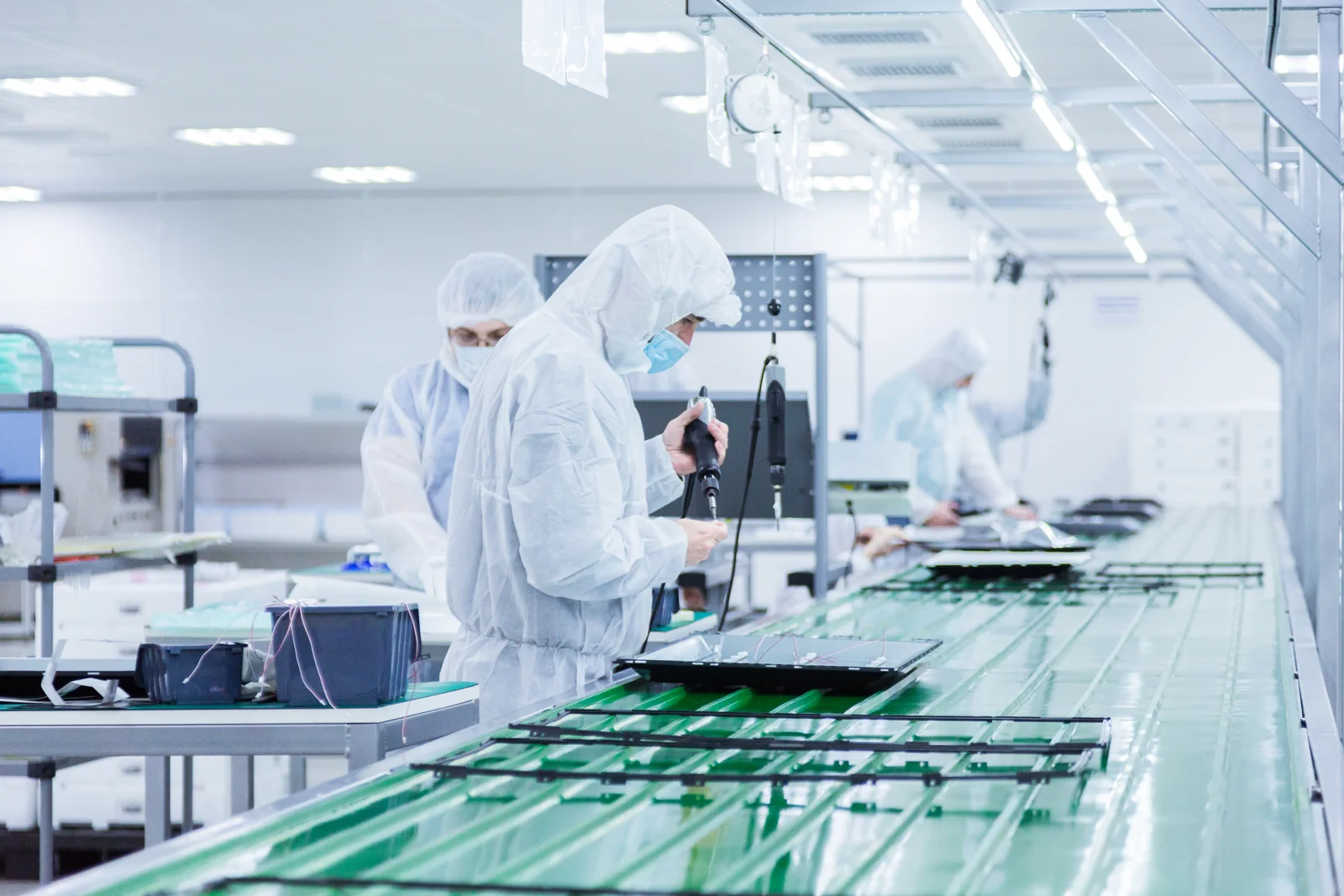

Electrical & Electronics
Malaysia's electrical and electronics (E&E) industry is contributing significantly to Malaysia's exports. As a global hub for semiconductor production, Malaysia hosts major multinational tech corporations and a robust supply chain. The industry comprises of four main sub-sectors namely electronic components, consumer electronics, industrial electronics and electrical products.
With the NIMP 2030 and the National Semiconductor Strategy (NSS), Malaysia aspires to transform the industry to greater heights, building on its existing solid foundation to establishing home-grown global integrated circuit (IC) design and advanced packaging champions and attract new advanced wafer fabrication, all while creating a thriving ecosystem that fosters research and development (R&D) and technological collaboration
Among the goals set by the Government include the establishment of at least 10 home-grown global IC companies focused on design and advanced packaging, and a further 100 new semiconductor-related companies, all while creating a thriving ecosystem that fosters R&D and technological collaboration.



Aerospace
The aerospace industry consists of five sub-sectors namely the maintenance, repair and overhaul (MRO), aerospace manufacturing, systems integration, engineering and design services as well as education and training. Strategically located at the heart of the wider Asia-Pacific region, Malaysia sits within the world’s largest air travel market and has world-class infrastructure to support demand within the sector.
With a strategic focus on enhancing local capabilities, Malaysia has attracted significant foreign investment and established partnerships with major aerospace companies. Malaysia’s government actively supports this sector through initiatives aimed at fostering innovation, skill development, and infrastructure improvements, as outlined in the NIMP 2030.

Medical Devices
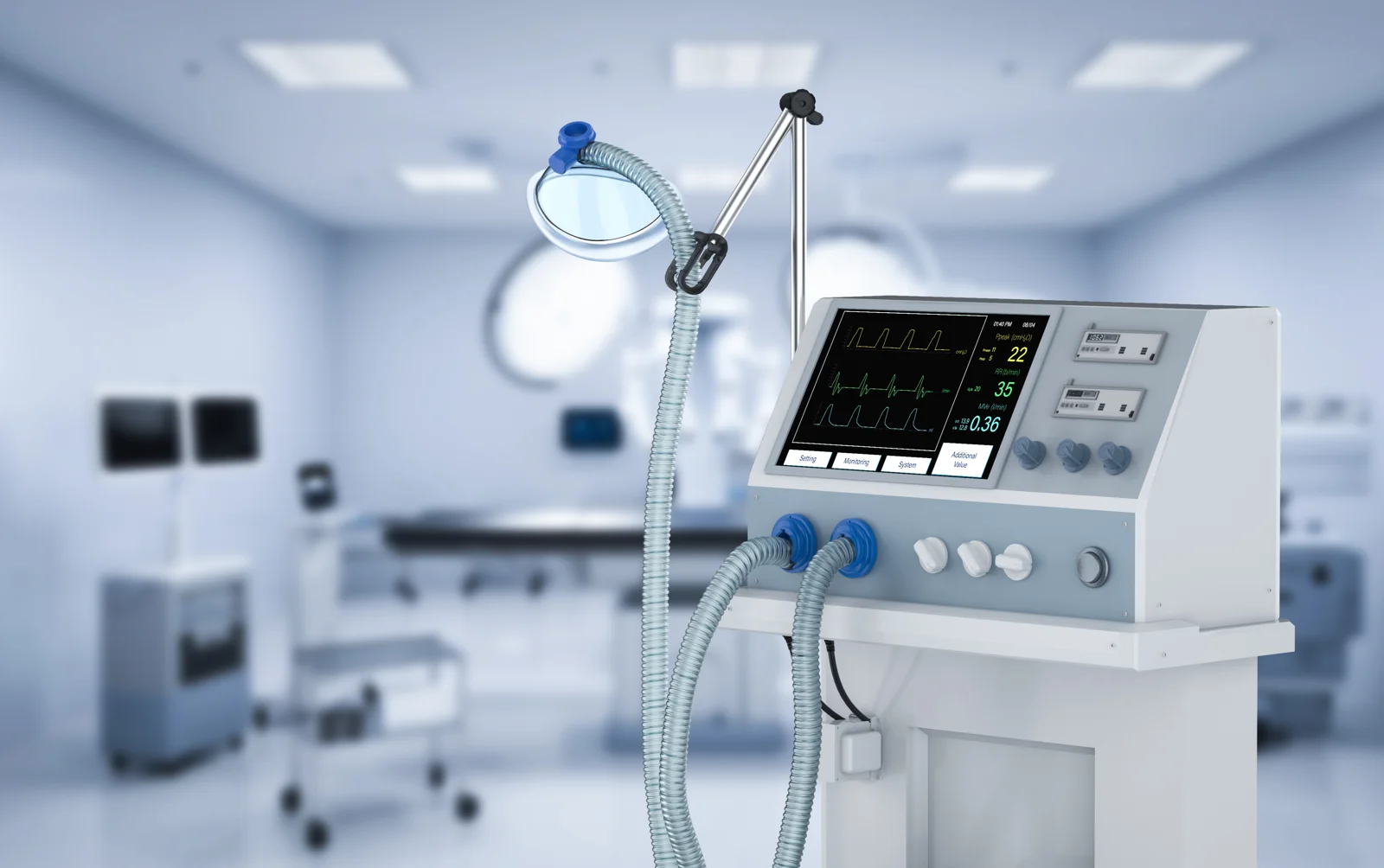
Malaysia’s medical devices industry is the largest in the ASEAN region and is projected to reach a market size of approximately USD4.5 billion by 2028. The sector is well positioned to capitalise on its strong growth trajectory, supported by the Government’s continued emphasis on healthcare development and national wellbeing, as a key theme of the Thirteenth Malaysia Plan, 2026 – 2030.
The industry encompasses a wide range of products, from single-use consumables such as medical gloves, to advances electromedical health equipment such as ultrasonic devices and MRI machines. With increasing demand for healthcare solutions and advancements in technology, the medical devices industry in Malaysia is set for significant growth.

Chemical
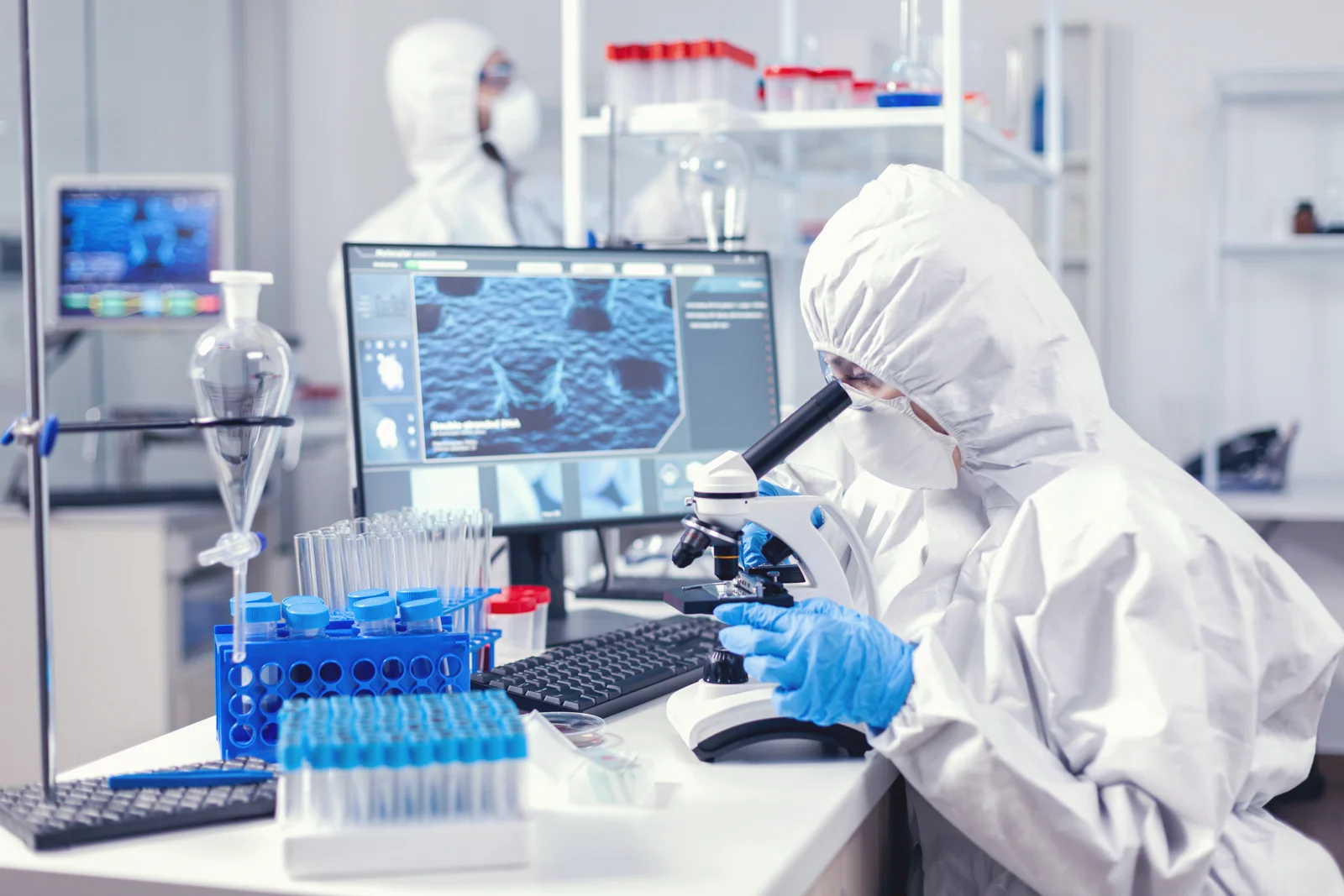
The chemical industry is a key component of Malaysia’s national exports, with key players such as PETRONAS playing a critical role in country’s integrated petrochemical value chain as well as supporting global supply chains. The industry covers a wide range of products under three sub-sectors: organic chemicals, inorganic chemicals and bio-based feedstock.
Guided by the Chemical Industry Roadmap 2030, Malaysia’s chemical industry is expected to see an increase in its global competitiveness with enhancements to ESG practices, upstream and downstream integration, and diversification into higher-value added specialty chemicals, among others.

Pharmaceutical
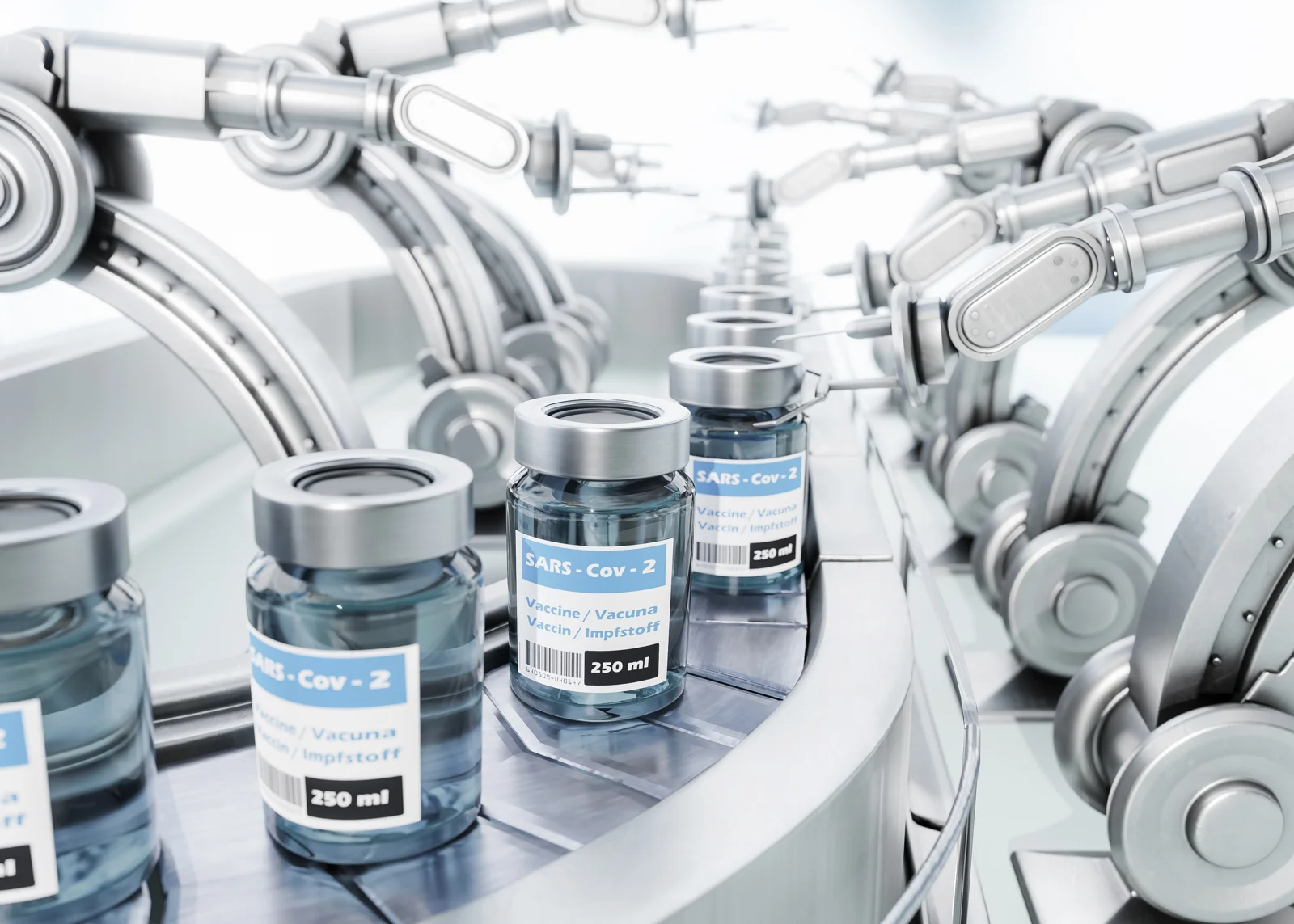
Malaysia’s pharmaceutical industry has seen steady growth over the past decade, supported by structural drivers including demographic ageing and increasing healthcare demand. The industry primarily focuses on the manufacturing of products, medicines and supplements. These range from generic pharmaceutical products, health supplements, traditional medicines and veterinary products.


Other Sectors
Malaysia's diverse economy comprises of thriving sectors such as agriculture, mining and construction, each contributing significantly to the nation's growth and development.
Further detailed information on all major industries can be found below:


Stay In The Loop
Get the latest updates and opportunities exclusively for investors.


